Survival States Are Not The Enemy
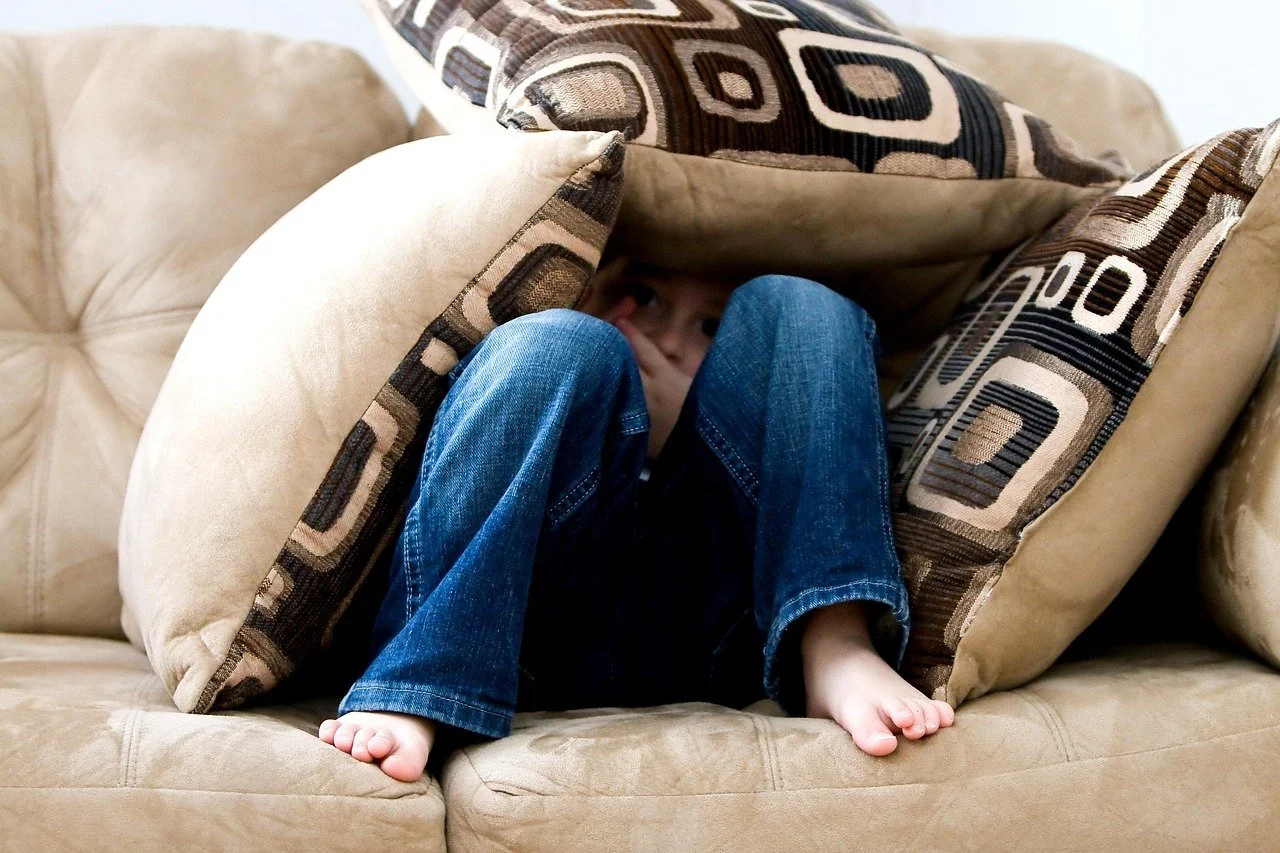
When we feel threatened or overwhelmed, the nervous system automatically moves into survival mode. Two primary survival states the nervous system opts for are fight-or-flight and freeze.
In fight-or-flight, energy floods into the body so that we can act with speed and power. If a snarling dog suddenly lunges at me, fight-or-flight gives me the opportunity to dart away before I've even consciously decided to move.
Freeze happens when the nervous system determines that fight-or-flight won’t get us to safety; instead, we need to be still, maybe to be invisible or to go numb, to dissociate or even lose consciousness.
Say the snarling dog has me cornered. If I freeze, perhaps it loses interest and moves on. And if it does attack, the analgesic effect of the freeze response helps blunt the pain.
A third survival state — and one I work with specifically — is fawn. Rather than fighting, fleeing, or going still, the fawn response moves toward the threat and tries to manage it through accommodation. We become agreeable, appeasing, easy to be around. We make ourselves whatever the situation seems to need us to be.
If the snarling dog is instead a person whose anger I've learned to fear, fawning might look like immediately apologizing, smoothing things over, abandoning my own experience to restore the peace. It keeps me safe. (Or at least, it once did.)
These survival states are superpowers. They keep us alive. It's worth pausing to appreciate that we have them as tools to rely on when things get dangerous.
But our survival states are designed to be time-limited. They’re supposed to only last long enough to help us successfully navigate a threat to our survival. Then, once we’re safe, we can leave survival mode behind and return to a state of relative ease and comfort.
The problem is that we humans often get stuck in survival mode.
Whereas wild animals instinctively allow their system to “discharge” overwhelming experiences, humans often skip this important step. The nervous system “forgets” to let go of the surplus survival energy, so we continue to feel activated.
In these cases, we feel like the danger is still present, even if the event is long over. This is because our survival mode is still engaged. We’re stuck in fight, flight, freeze.
And maybe we manage this okay. Maybe we cope well and we’re able to have what looks from the outside like a stable and successful and fulfilling life.
But that doesn’t change the experience inside. Inwardly, we’re stuck in survival mode. This experience is painful; in fact, it can be excruciating. It can make us feel hopeless and helpless. It can wear away at our relationships, our health, our vitality.
This is trauma. Not necessarily a single dramatic event, but the body's unfinished response to an experience it couldn't fully metabolize at the time.
The experience of trauma—being stuck survival mode—can make us fear and even hate our survival states. They can feel like a curse, like a problem we need to eradicate. But the reality is that our resistance to these states can actually make them more entrenched, more inescapable.
In trauma, the problem is not the survival states themselves; the problem is our inability to leave them. Again, the nervous system has “forgotten” how to let go of protection mode and return to a state of feeling safe and relaxed.
A big part of my somatic sessions, therefore, is supporting your relationship with your survival states. In particular, we want to start to experience fight, flight, and freeze with a bit more distance, a bit more neutrality. We can start to relate to survival mode without being re-traumatized by it.
As that capacity develops, the survival states begin to feel less catastrophic and more workable. They show up as present-moment sensations, impulses, images, emotional tones…rather than as an all-consuming emergency. Survival mode becomes something that happens in the body rather than something that is happening to you.
This gives the nervous system the space to do what it's always been trying to do: let go of the surplus activation, and find its way back to rest.
The survival responses remain available, ready when they're truly needed. But they're no longer the home base, no longer the default.
This is what somatic work makes possible. Not the eradication of survival mode, but the flexibility to move through it and to let it go.